
Fumigation vs. Traditional Pest Control: Key Differences
People searching for fumigation pest control are typically seeking effective methods to eliminate severe infestations, and local contractors can provide expert solutions tailored to their needs.
Understanding the differences between fumigation and traditional pest control methods is an important step for property owners facing pest challenges. Whether dealing with persistent infestations or seeking a comprehensive solution, knowing which approach best suits specific situations can make a significant difference in outcomes. Property owners in the area often explore this topic to determine the most effective way to protect their homes and businesses from pests, especially when standard treatments haven't provided lasting results. Local contractors specializing in both fumigation and traditional pest control can offer insights tailored to the unique needs of each property, helping owners make informed decisions.
As you continue reading, you'll discover practical distinctions between fumigation and traditional pest control, including when each method might be appropriate. Fumigation, for example, is often used for severe infestations or hard-to-reach pests, while traditional treatments may be suitable for ongoing maintenance or less extensive issues. Connecting with experienced service providers can ensure that the chosen method aligns with your property’s specific circumstances. Exploring these options can help property owners make confident choices to effectively manage pests and safeguard their spaces.
- Fumigation pest control - ideal for severe infestations in enclosed spaces where comprehensive elimination is needed, with local contractors using specialized equipment for effective results.
- Traditional pest control - suitable for ongoing management of common pests, with service providers applying targeted treatments that focus on specific areas or pests.
- Fumigation pest control - often required for structures infested with pests like termites or bed bugs, with local pros ensuring proper sealing and safety protocols.
- Traditional pest control - used for routine pest prevention and control in residential or commercial settings, with local contractors offering scheduled maintenance plans.
- Fumigation pest control - necessary when pests are deeply embedded or resistant to surface treatments, with local providers handling the entire fumigation process safely and efficiently.

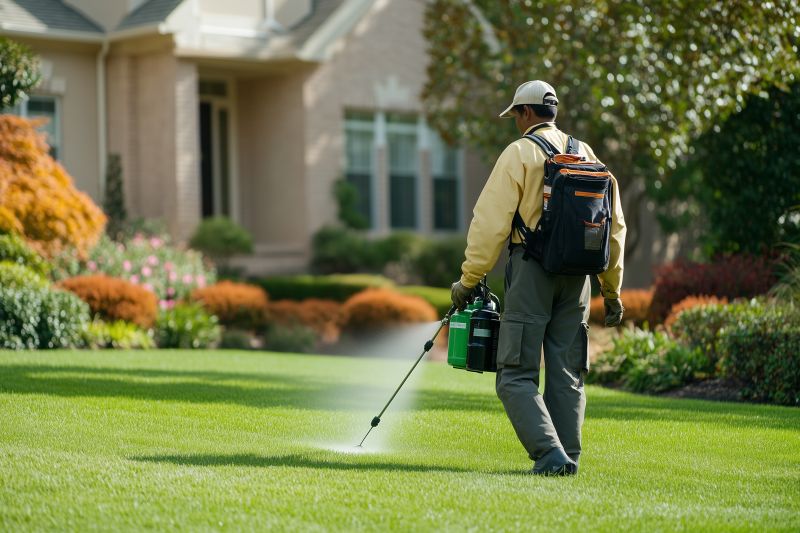

When homeowners search for information on fumigation vs. traditional pest control, they are often trying to understand the primary differences between these two approaches to managing pests. The key concern is typically which method is more effective for specific infestations or property types, and under what circumstances each technique is appropriate. People may be facing persistent or severe pest problems, such as termites, bed bugs, or other invasive insects, and want to know whether fumigation or traditional methods will deliver better results. This decision can influence the planning of pest management strategies, especially for those who want a thorough solution to eliminate pests that have become deeply embedded or resistant to surface treatments.
The kinds of problems related to fumigation vs. traditional pest control are usually linked to different pest species and infestation levels. Traditional pest control often involves targeted treatments, such as sprays, baits, or traps, aimed at pests accessible on the surface or within the structure. In contrast, fumigation involves the use of gaseous pesticides to penetrate hard-to-reach areas, making it suitable for severe infestations or pests hiding within the entire property. These methods are often associated with plans to eliminate pests that threaten the integrity of the property or pose health risks. Homeowners dealing with ongoing issues, or those preparing a property for sale or renovation, may seek advice on which approach will best suit their specific situation.
The types of properties that typically come up in discussions about fumigation vs. traditional pest control include residential homes, especially those with extensive or hard-to-treat pest problems, as well as larger structures like warehouses, commercial buildings, or multi-unit complexes. Homes with infested woodwork or structural damage caused by termites are common candidates for fumigation, given the method’s ability to treat entire structures thoroughly. On the other hand, smaller or less severely affected properties might be better served with traditional pest control techniques, which can be more targeted and less invasive. Local service providers often recommend the most effective approach based on the property size, pest type, and infestation severity, helping homeowners choose the right method for their specific project.
Understanding the differences between fumigation and traditional pest control helps homeowners make informed decisions about pest management strategies. Fumigation generally involves a comprehensive treatment that can eradicate pests from entire structures, making it suitable for severe infestations like termites or bed bugs. Traditional pest control, however, tends to focus on localized or surface treatments, which may be sufficient for less extensive problems or ongoing maintenance. Connecting with experienced local contractors can ensure the appropriate method is selected based on the property’s needs and pest issues. These professionals can assess the situation and recommend the most effective solution, whether that’s a full fumigation or a targeted traditional approach, to help restore comfort and protect the property from future pest problems.
Termite Treatment Projects - These projects often require precise planning and specialized tools similar to fumigation and traditional pest control methods to eliminate infestations effectively.
Rodent Control Services - Local contractors use various trapping, baiting, and exclusion techniques that align with pest control strategies discussed in fumigation versus traditional approaches.
Bed Bug Eradication Projects - Both heat treatment and chemical methods are employed by service providers, paralleling the key differences between fumigation and traditional pest control.
Wildlife Removal Projects - These involve planning and specialized equipment to safely remove animals, similar to the planning considerations in pest control methods.
Mosquito Control Programs - Local pros implement larviciding and fogging techniques that relate to the different approaches used in fumigation and traditional pest control.
Allergen and Mold Remediation - These projects require thorough planning and the use of specialized tools, akin to the methods used in pest control services discussed in the blog.
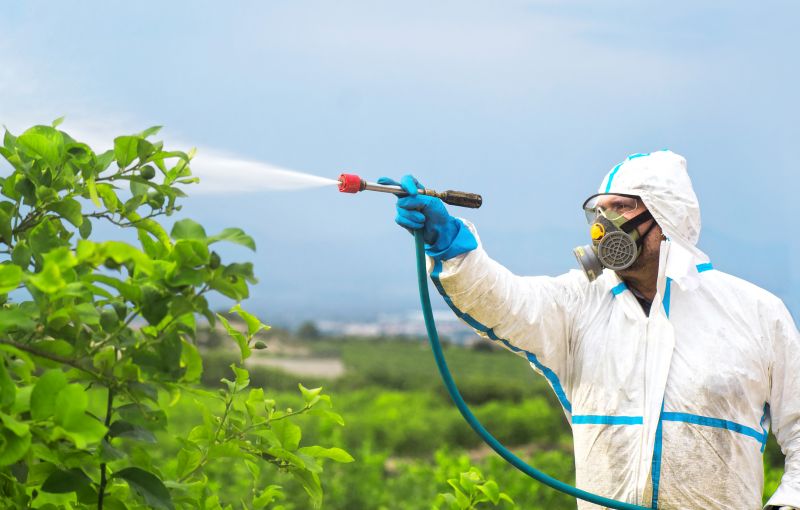
When comparing local contractors for pest control services, it’s important to consider their experience with similar projects, particularly when evaluating options like fumigation versus traditional pest control. Service providers with a proven track record in handling specific pest issues can offer insights into the most effective approach for a homeowner’s situation. Asking about their past work with both fumigation and conventional methods can help ensure they understand the nuances and requirements of each, leading to a more informed decision.
Clear, written expectations are essential when choosing a pest control provider. A reputable contractor should be able to provide detailed descriptions of the services they will perform, including the scope of work, procedures involved, and any preparations or follow-up needed. This transparency helps homeowners understand what to expect, minimizes surprises, and ensures that both parties are aligned on the treatment plan, whether it involves fumigation or traditional pest control methods.
Good communication and reputable references are key factors in selecting a service provider. Contractors who can offer references from previous clients or examples of similar projects demonstrate reliability and professionalism. Open lines of communication facilitate questions and clarifications throughout the process, allowing homeowners to feel confident that their concerns are addressed. By focusing on these qualities, homeowners can better compare local pros and choose a provider capable of delivering effective pest control tailored to their specific needs.
Property owners often search for fumigation vs. traditional pest control: key differences when they are planning practical projects around their homes and businesses. Local pros provide Fumigation Pest Control services for everyday jobs and straightforward project options.

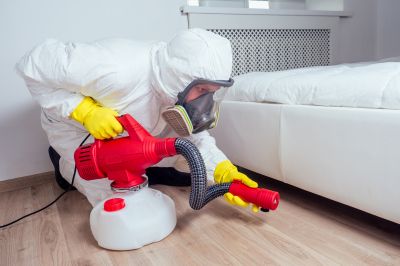
When property owners in the area consider pest control options, understanding the differences between fumigation and traditional pest control methods can help determine the best approach for their situation. Fumigation involves the use of gas to eliminate pests throughout an entire structure, making it suitable for severe infestations or pests hiding in hard-to-reach areas. Traditional pest control typically relies on targeted treatments, such as sprays or bait stations, which are often sufficient for minor issues or routine prevention. Homeowners and business owners might look up this topic to decide whether a comprehensive fumigation or a less invasive traditional method is more appropriate for their specific pest problems.
Choosing between fumigation and traditional pest control services depends on factors like the severity of the infestation, type of pests, and the property's size. Local service providers can assess these aspects and recommend the most effective solution. Fumigation tends to be a more extensive process, often requiring preparation and a temporary absence from the premises, while traditional treatments usually involve fewer disruptions. Property owners seeking reliable and effective pest management can contact local contractors who specialize in both methods, ensuring they receive tailored solutions suited to their needs.
What is the main difference between fumigation and traditional pest control? Fumigation involves sealing an area and using gaseous pesticides to eliminate pests throughout a space, while traditional pest control typically uses spot treatments, sprays, or baits to target specific pests.
When should fumigation be considered over traditional pest control? Fumigation is often used for severe infestations or when pests are hidden in hard-to-reach areas, whereas traditional pest control is suitable for routine or localized pest issues.
Are fumigation services more effective for certain pests compared to traditional methods? Yes, fumigation tends to be more effective for pests like termites, bed bugs, and stored product pests that hide deep within structures, whereas traditional methods work well for surface or visible pests.
What are the typical preparations needed before a fumigation service? Preparations usually involve removing or covering food, personal items, and sensitive materials to ensure safety during the fumigation process, which local contractors can advise on.
Can local pest control service providers handle both fumigation and traditional pest control? Yes, many local service providers offer both fumigation and traditional pest control services, allowing them to recommend the most appropriate treatment based on the pest problem.
Understanding pest types - Recognizing the specific pests affecting a property can help determine whether fumigation or traditional pest control is more effective, guiding property owners in choosing the right service providers.
Assessing property size and structure - Larger or more complex buildings may benefit from fumigation services offered by local contractors, especially when comprehensive pest eradication is needed.
Identifying infestation severity - Severe or persistent pest problems might require the deep treatment capabilities of fumigation, which local pros can provide to ensure thorough removal.
Planning for treatment logistics - Property owners can work with local service providers to schedule and prepare for pest control methods that best suit their property's needs and pest issues.
If you are thinking about fumigation vs. traditional pest control: key differences for a property, this guide is meant to help you understand this topic, the typical project types, and how different options might fit your plans.
When you are ready, you can use the quote form on this page to share a few details about your project. From there, local pros can review the basics and follow up with options that match what you have in mind.